
Demolition: A complex but necessary process
Often perceived as the destruction of a structure, demolition is in fact a critical step in the life cycle of a building. The process is complex and demands careful planning, specialized skills and…
Introduction
Often perceived as the destruction of a structure, demolition is in fact a critical step in the life cycle of a building. The process is complex and demands careful planning, specialized skills and attentive risk management. This article explores demolition in construction, highlighting its different facets and its role in the evolution of the industry.
1. Types of demolition
a. Selective demolition
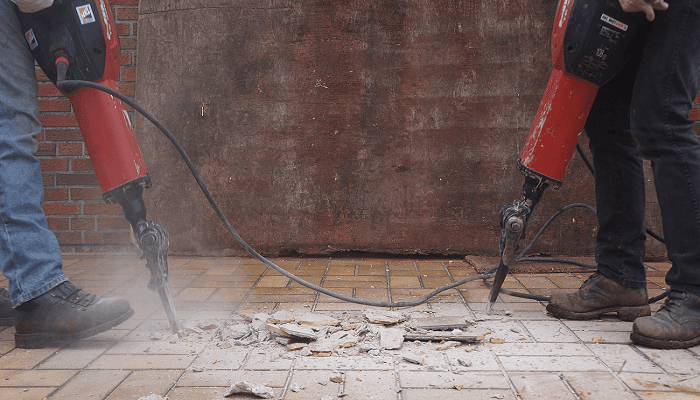
Selective demolition removes specific parts of a building while preserving other elements. It is often used in renovation projects where certain sections must remain intact.
b. Total demolition
Total demolition, as the name implies, involves bringing down the entire building. This approach is used when a structure is obsolete, dangerous or must be replaced by a new build.
c. Mechanical demolition
Mechanical demolition uses heavy equipment such as excavators, hydraulic hammers and grapples to dismantle the structure. It is fast and efficient but requires expertise to minimize risk.
2. Environmental and safety considerations
a. Waste management
Demolition often generates significant waste. Proper planning for waste management — including sorting and recycling — is essential to minimize environmental impact.
b. Site safety
Site safety is the top priority on any demolition project. Crews follow strict protocols to avoid accidents, including the use of personal protective equipment (PPE) and the installation of safety barriers.
3. Innovations in demolition
Technology has brought innovations to demolition, with remote-controlled robots and water-jet cutting equipment offering more precise and less invasive solutions.
Conclusion
Demolition in construction is far more than an act of destruction. It is a strategic process that opens the way to new development and renewal. By understanding the different types of demolition, focusing on safety and adopting sustainable practices, the construction industry can evolve more efficiently and responsibly.